
 See Our Latest Article on HelloNation

Back pain is common, and many episodes improve with gentle movement and time. However, certain symptoms suggest that pain may involve a nerve, infection, fracture, internal medical problem, or another condition requiring prompt evaluation.
For residents of Kenmore, NY, the challenge is often deciding whether pain is a temporary strain from shoveling, lifting, yard work, prolonged sitting, or a more serious warning sign. The intensity of pain alone does not always provide the answer. Changes in strength, sensation, bladder or bowel function, general health, and the way symptoms began are often more informative.
Which back pain symptoms require emergency attention?
Back pain should be treated as an emergency when it occurs with new loss of bladder or bowel control, numbness around the groin or inner thighs, or rapidly worsening weakness in one or both legs. These symptoms can indicate severe compression of the nerves at the lower end of the spinal canal, sometimes called cauda equina syndrome.
Seek emergency care for:
- New inability to urinate or unexpected leakage of urine or stool
- Numbness in the saddle area, including the groin, buttocks, or inner thighs
- Sudden or progressive weakness in a leg
- Inability to walk normally, repeated falls, or rapidly worsening balance
- Severe back pain after a major fall, collision, or other trauma
- Sudden back pain accompanied by paralysis or major loss of sensation
These warning signs should not be managed with home stretching or manipulation while waiting to see whether they improve. Neurologic symptoms can worsen quickly, and an emergency evaluation may be needed. ([medlineplus.gov](https://medlineplus.gov/ency/article/007425.htm?utm_source=openai))
Could pain traveling down the leg mean a nerve is involved?
Yes. Pain that travels from the back into the buttock and down the leg may reflect irritation or compression of a spinal nerve. This is often described as sciatica or radicular pain. Tingling, burning, electric-shock sensations, numbness, or weakness are more concerning than a localized ache alone.
Pain below the knee, especially when combined with foot weakness, difficulty lifting the front of the foot, or trouble walking on the toes or heels, deserves medical assessment. A nerve-related problem does not automatically mean permanent damage, but ignoring worsening weakness can delay appropriate treatment.
A common misconception is that every shooting leg pain requires immediate surgery. Most cases do not. The urgency depends on the neurologic findings, the cause, how quickly symptoms are changing, and whether bladder or bowel symptoms are present. ([medlineplus.gov](https://medlineplus.gov/ency/article/007425.htm?utm_source=openai))
When might back pain point to infection or another illness?
Back pain accompanied by fever, chills, feeling unusually ill, or redness and swelling over the spine may signal infection or significant inflammation. The risk is higher for people with a weakened immune system, recent surgery or infection, certain chronic illnesses, or a history of injection drug use.
Other concerning combinations include:
- Back pain with unexplained weight loss
- Pain that is consistently worse at night or when lying down
- A personal history of cancer
- Pain that began without a clear strain and continues to intensify
- New back pain with burning urination or blood in the urine
Some problems outside the spine can feel like back pain. Kidney conditions, abdominal disorders, vascular problems, and infections may produce pain in the side or lower back. Burning urination, blood in the urine, nausea, abdominal pain, or fever should not be assumed to be a muscle strain. ([medlineplus.gov](https://medlineplus.gov/ency/article/007425.htm?utm_source=openai))
Does a fall or lifting injury always mean a fracture?
No, but the circumstances matter. A sudden pain after lifting a heavy object may be a muscle or ligament strain, particularly if movement is painful but strength and sensation remain normal. A fall, vehicle collision, or direct blow can cause a fracture or damage to the spinal cord, even if the skin looks normal.
Fracture risk is also higher in people with osteoporosis, a history of cancer affecting the bones, long-term steroid use, or advanced age. A relatively minor fall can be significant when bones are fragile.
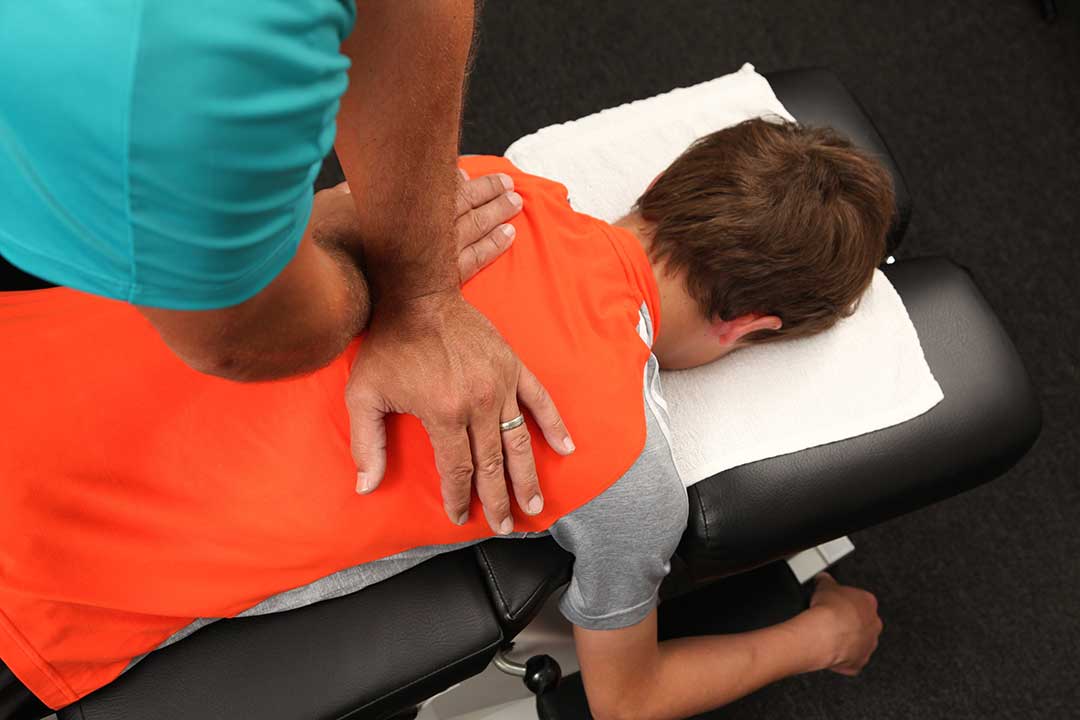
Seasonal activities in the area can add stress to the back. Clearing snow, carrying salt, moving outdoor equipment, or slipping on an icy walkway may create either a soft-tissue injury or a more serious impact injury. Severe pain after such an event, particularly with difficulty standing or walking, should be evaluated rather than repeatedly tested at home.
Is pain that lasts more than a few weeks automatically serious?
Persistent pain is not automatically dangerous, but it should be reassessed if it is not gradually improving. Many uncomplicated episodes improve within several weeks. Pain that continues beyond four weeks, repeatedly returns, or feels distinctly different from previous episodes warrants a more complete medical history and examination.
The same applies when ordinary activities become progressively harder. Examples include being unable to sit through a meal, difficulty getting dressed, reduced walking tolerance, or needing to change position constantly because no posture is comfortable.
Long periods of inactivity can also worsen stiffness and deconditioning. If there are no red-flag symptoms, light activity is generally preferable to prolonged bed rest. Short walks and frequent position changes may be reasonable, while heavy lifting, forceful twisting, and movements that clearly increase leg symptoms should be avoided until the cause is better understood. ([medlineplus.gov](https://www.medlineplus.gov/ency/article/007425.htm?utm_source=openai))
What should someone track before seeking evaluation?
A brief symptom record can help distinguish a routine strain from a changing neurologic or systemic problem. Note:
- When the pain began and what happened immediately beforehand
- Whether the pain stays in the back or travels into the buttock, leg, or foot
- Any numbness, tingling, weakness, or balance changes
- Fever, chills, weight loss, urinary symptoms, or bowel changes
- Whether pain is worse at night, while lying down, or with coughing
- Recent falls, heavy lifting, infections, medical procedures, or medication changes
This information is useful whether the first evaluation occurs in an emergency department, primary care setting, or another appropriate healthcare setting. Examination may include testing strength, reflexes, sensation, walking, and balance. Imaging or laboratory testing is not necessary for every episode, but it may be considered when warning signs, trauma, persistent symptoms, or neurologic changes are present. ([ninds.nih.gov](https://www.ninds.nih.gov/health-information/disorders/neurological-diagnostic-tests-and-procedures?utm_source=openai))
When is it reasonable to monitor symptoms at home?
Home monitoring may be reasonable for a mild-to-moderate backache that follows a familiar activity, improves with comfortable movement, and is not accompanied by fever, significant trauma, unexplained weight loss, leg weakness, numbness, or bladder and bowel changes.
Even then, symptoms should be reassessed rather than ignored. Worsening pain, new neurologic symptoms, inability to perform normal daily activities, or failure to improve over the following weeks changes the situation.
The key distinction is not simply whether pain is strong. Serious back problems may begin with moderate pain, while a severe muscle spasm may be extremely painful but temporary. Changes in function, sensation, general health, and bladder or bowel control are the signs that deserve the greatest attention.
