
 See Our Latest Article on HelloNation
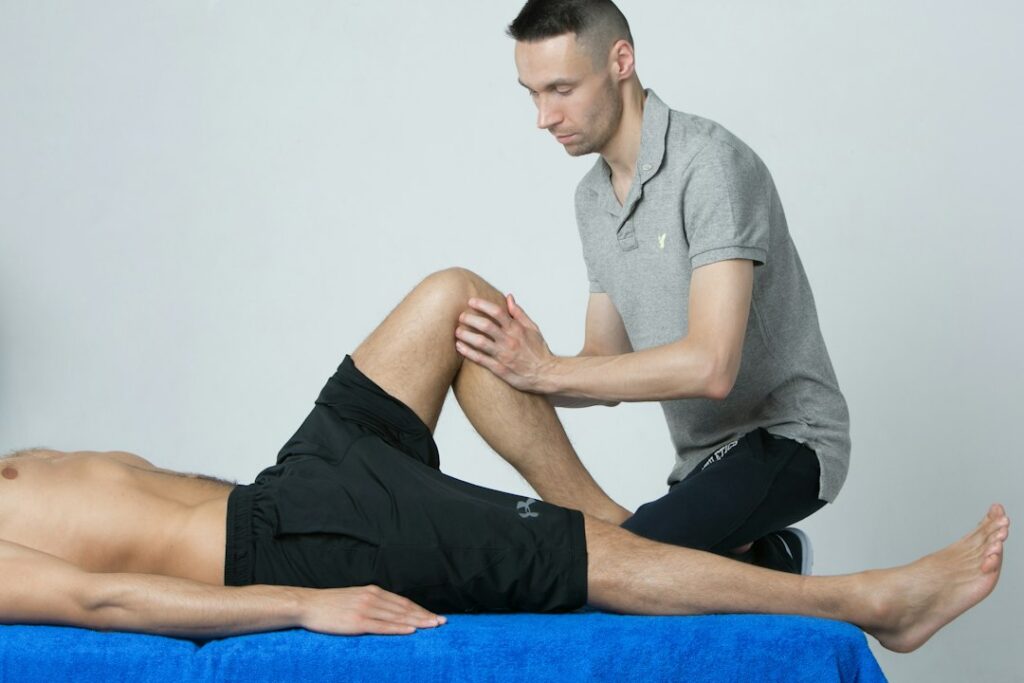
Athletes often explore chiropractic adjustments to manage back or neck discomfort, improve movement, or support recovery between training sessions. The potential benefits are mainly related to short-term pain relief and joint mobility—not guaranteed increases in strength, speed, endurance, or athletic performance.
For residents in Kenmore, seasonal activities can place different demands on the body. Outdoor running, cycling, field sports, skating, snow-related recreation, and home-based strength training may all involve repetitive loading, sudden changes of direction, or awkward movement patterns. Chiropractic care may be one part of a broader plan, but it should not replace conditioning, rehabilitation, medical evaluation, or sport-specific coaching.
What is a chiropractic adjustment?
A chiropractic adjustment, also called spinal manipulation in research literature, uses a controlled force to move a spinal or other joint. Some care may instead involve gentler mobilization, soft-tissue techniques, stretching, or exercise instruction.
The purpose is generally to address a musculoskeletal problem such as restricted movement, back pain, neck pain, or stiffness. An adjustment does not “put a bone back in place” in the literal sense, and the popping sound sometimes heard during treatment does not prove that a joint was damaged or repaired. The sound usually relates to changes in pressure within the joint.
A careful evaluation should consider the athlete’s symptoms, training schedule, previous injuries, medications, general health, and current level of function before any technique is selected.
Can adjustments help athletes with back pain?
They may provide modest short-term improvements in pain and function for some types of low-back pain. Research on general adults supports spinal manipulation as one possible non-drug option, particularly when it is combined with advice to remain active and an appropriate exercise program.
Evidence specific to athletes is more limited. Studies have not clearly established that adjustments alone are the most effective treatment for athletic low-back pain or that they reliably speed a return to competition. Exercise-based rehabilitation, gradual loading, sleep, technique changes, and workload management are often central to recovery.
An athlete with back pain may notice benefits such as:
- Easier movement during warmups
- Less stiffness after sitting or traveling
- Improved tolerance for daily activities
- Temporary reduction in pain that allows participation in rehabilitation exercises
- Better awareness of how certain movements affect symptoms
These effects vary considerably. Relief after one session does not necessarily mean the underlying problem has been corrected.
Do adjustments improve athletic performance?
The evidence does not support broad claims that routine spinal adjustments enhance performance in healthy athletes. Research has found inconsistent changes in range of motion, muscle activation, or other performance-related measures, and many studies show no meaningful improvement in sport-specific ability.
An athlete may feel more mobile after treatment, especially if stiffness was limiting movement. That subjective improvement can be useful, but it is different from a proven increase in power, reaction time, cardiovascular capacity, or injury resistance.
Performance still depends primarily on training quality, recovery, nutrition, skill development, physical preparation, and appropriate competition demands. Adjustments should not be viewed as a substitute for strength training, mobility work, or technical practice.
What other problems might athletes discuss?
Chiropractic care may be considered for certain musculoskeletal complaints involving the back, neck, hips, or extremities. Some athletes seek care for discomfort related to repetitive training, prolonged sitting, equipment changes, or an abrupt increase in activity.
For example, a person who resumes running after a winter break may develop soreness after increasing distance too quickly. Someone who spends long periods driving to practices or working at a computer may notice neck or upper-back stiffness. A recreational athlete clearing snow, lifting equipment, or returning to court sports after time away may also experience a sudden change in physical demand.
In these situations, an assessment may help identify whether symptoms appear related to joint mobility, muscle control, training volume, or another issue. However, pain can also signal a stress injury, disc problem, ligament injury, nerve involvement, or systemic condition that requires a different type of evaluation.
Are chiropractic adjustments useful for injury prevention?
There is not strong evidence that regular adjustments independently prevent sports injuries. Prevention usually depends more on progressive conditioning, adequate recovery, warmups, balance and strength training, proper equipment, and avoiding sudden increases in workload.
An adjustment might help an athlete maintain comfortable movement while following a prevention program. That is different from proving that the treatment prevents injury.
Athletes should be cautious with any program that promises to prevent all injuries, correct every imbalance, or improve performance through adjustments alone. Bodies adapt to training through repeated, appropriately managed exposure—not through passive treatment by itself.
What are the possible side effects?
Temporary soreness, stiffness, fatigue, headache, or increased discomfort can occur after spinal manipulation. These reactions commonly resolve within a day, but persistent or worsening symptoms should not be ignored.

Neck manipulation deserves particular caution. Rare serious events involving blood vessels or the nervous system have been reported, although the relationship between treatment and some events remains difficult to establish. A thorough health history and informed discussion of alternatives are important before any neck technique.
An athlete should disclose:
- Recent falls, collisions, or whiplash
- Fractures, dislocations, or suspected stress injuries
- Numbness, weakness, or changes in coordination
- Osteoporosis or conditions affecting bone strength
- Blood-clotting problems or use of blood-thinning medication
- Recent surgery
- Severe or unusual headaches
- Fever, unexplained weight loss, or a history of cancer
When should an athlete seek medical evaluation first?
Immediate medical evaluation is more appropriate than routine adjustment when pain follows a major collision or fall, or when symptoms include progressive weakness, loss of bladder or bowel control, numbness in the groin area, fainting, severe headache, chest pain, difficulty breathing, or unexplained fever.
A sudden “pop” with swelling, visible deformity, inability to bear weight, or major loss of movement may indicate a fracture, dislocation, tendon injury, or other condition requiring prompt care.
Young athletes also require special consideration because growing bones, open growth plates, and sport-related stress injuries may present differently from adult problems. Persistent pain that repeatedly returns during training deserves evaluation rather than repeated attempts to work through it.
How should adjustments fit into an athlete’s recovery plan?
The most useful approach is usually integrated care. Depending on the problem, a plan may include temporary activity modification, targeted exercise, mobility work, strength training, technique changes, sleep improvement, and gradual return to sport.
For an athlete in the community, the practical question is not simply whether an adjustment is beneficial. It is whether the treatment addresses a clearly defined musculoskeletal concern, has reasonable goals, and fits safely with the rest of the recovery plan.
A helpful treatment discussion should explain what is being treated, what improvement can realistically be expected, how progress will be measured, and what would indicate the need for a different evaluation. Adjustments may help some athletes feel and move better, but the strongest foundation for long-term performance remains well-managed training and evidence-informed rehabilitation.
